Your Skin is Shiny and Feels Oily
If your skin feels noticeably oilier or looks shinier than usual after applying your moisturiser, the formula may simply be too rich for your skin type or the amount you’re using may be more than your skin needs.
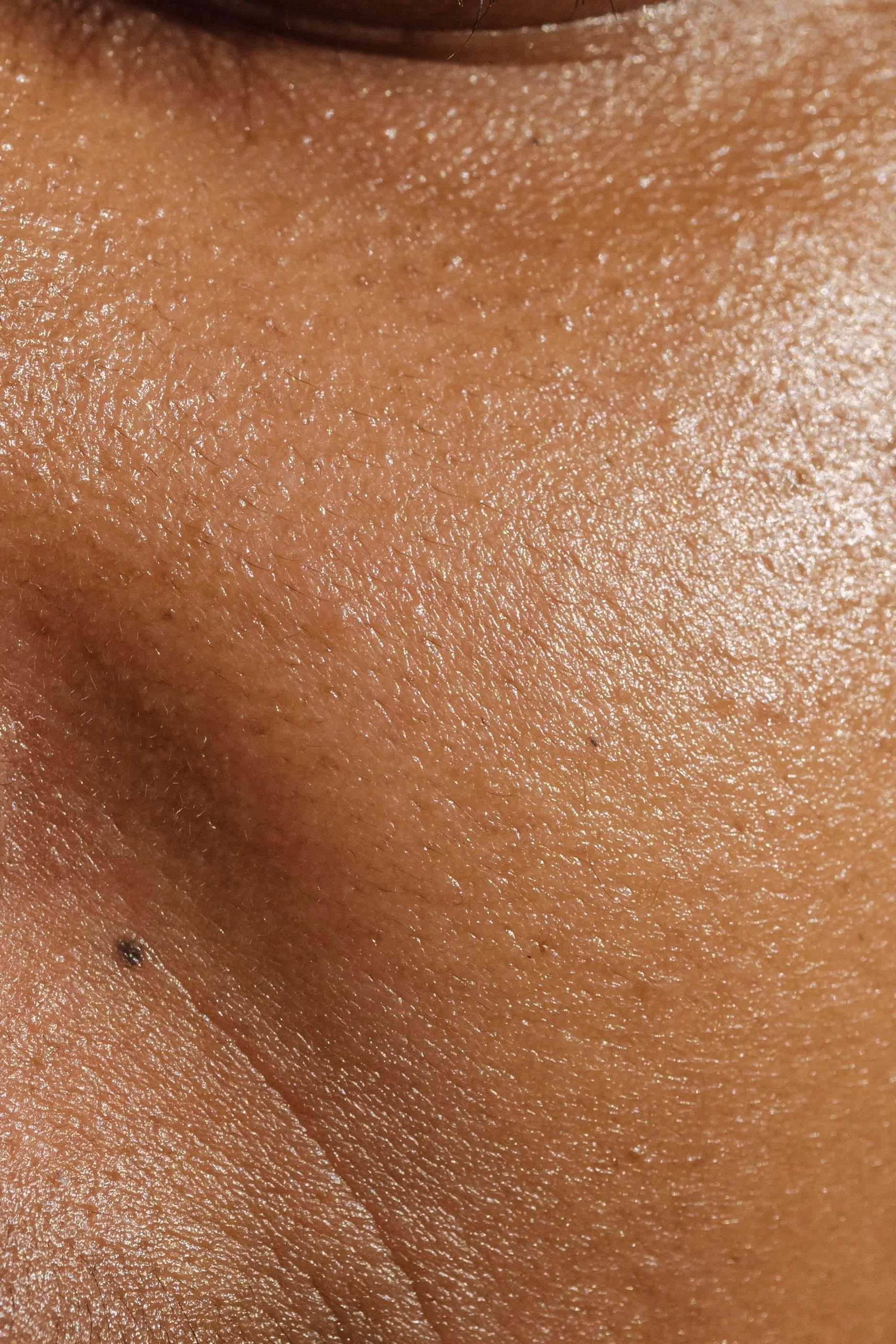
An example of oily skin
That doesn’t mean you should stop moisturising. Even oily skin needs hydration. In fact, using harsh products to repeatedly strip oil from the skin can disrupt the skin barrier and leave it feeling dry, tight or irritated. The goal is to find the right balance between supporting your skin barrier and avoiding a finish that feels unnecessarily heavy.
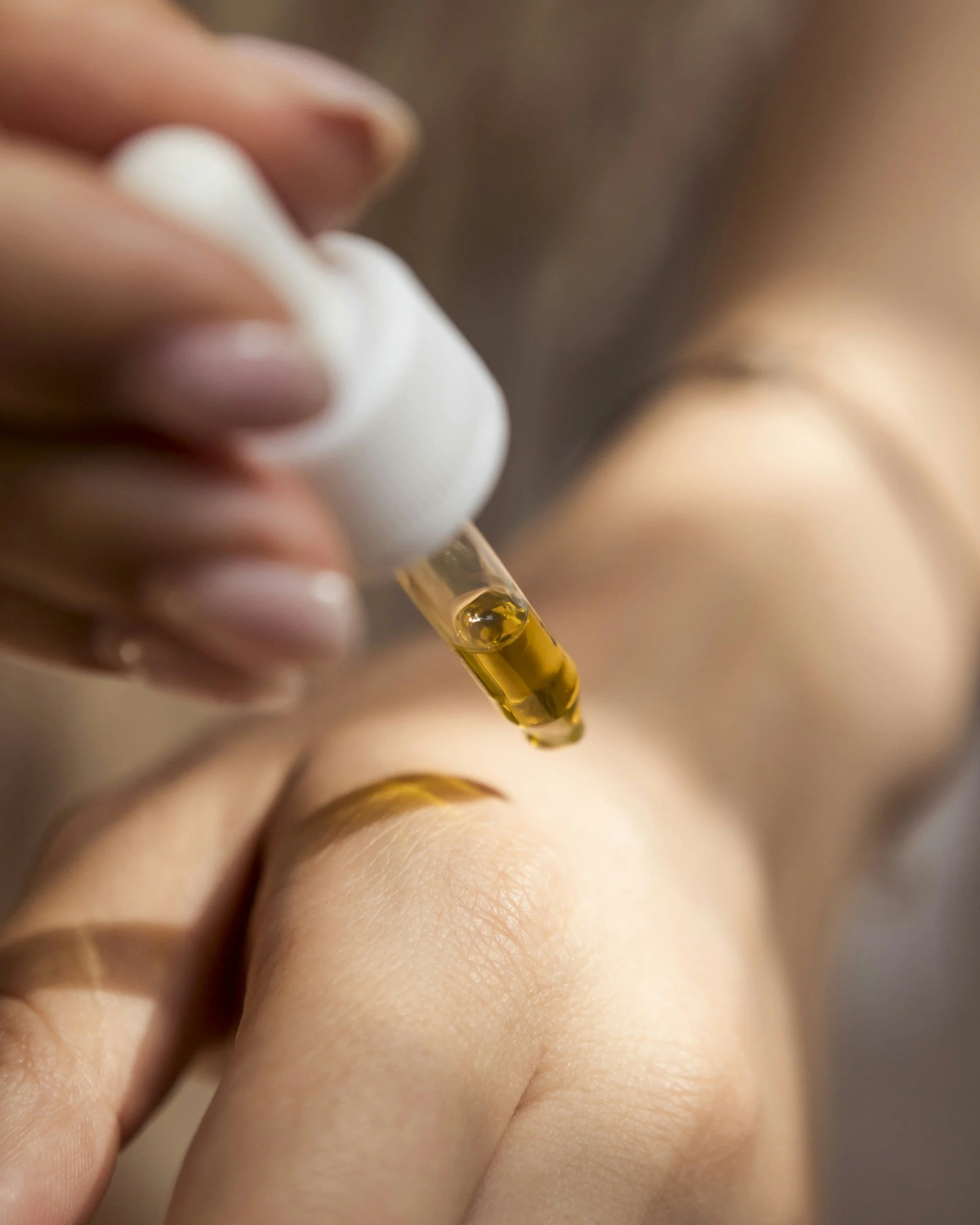
For oilier or combination skin, lightweight moisturisers and gel or lotion textures can be a good place to start. Ingredients known as humectants, such as glycerin and hyaluronic acid, help attract and retain water in the outer layers of the skin. Emollients can then help smooth the skin and support a comfortable, flexible skin barrier.
Rich oils and butters aren't automatically bad for oily or blemish-prone skin—skin responds differently to different ingredients. However, if a product consistently leaves you feeling greasy or congested, a lighter formulation may be a better fit.
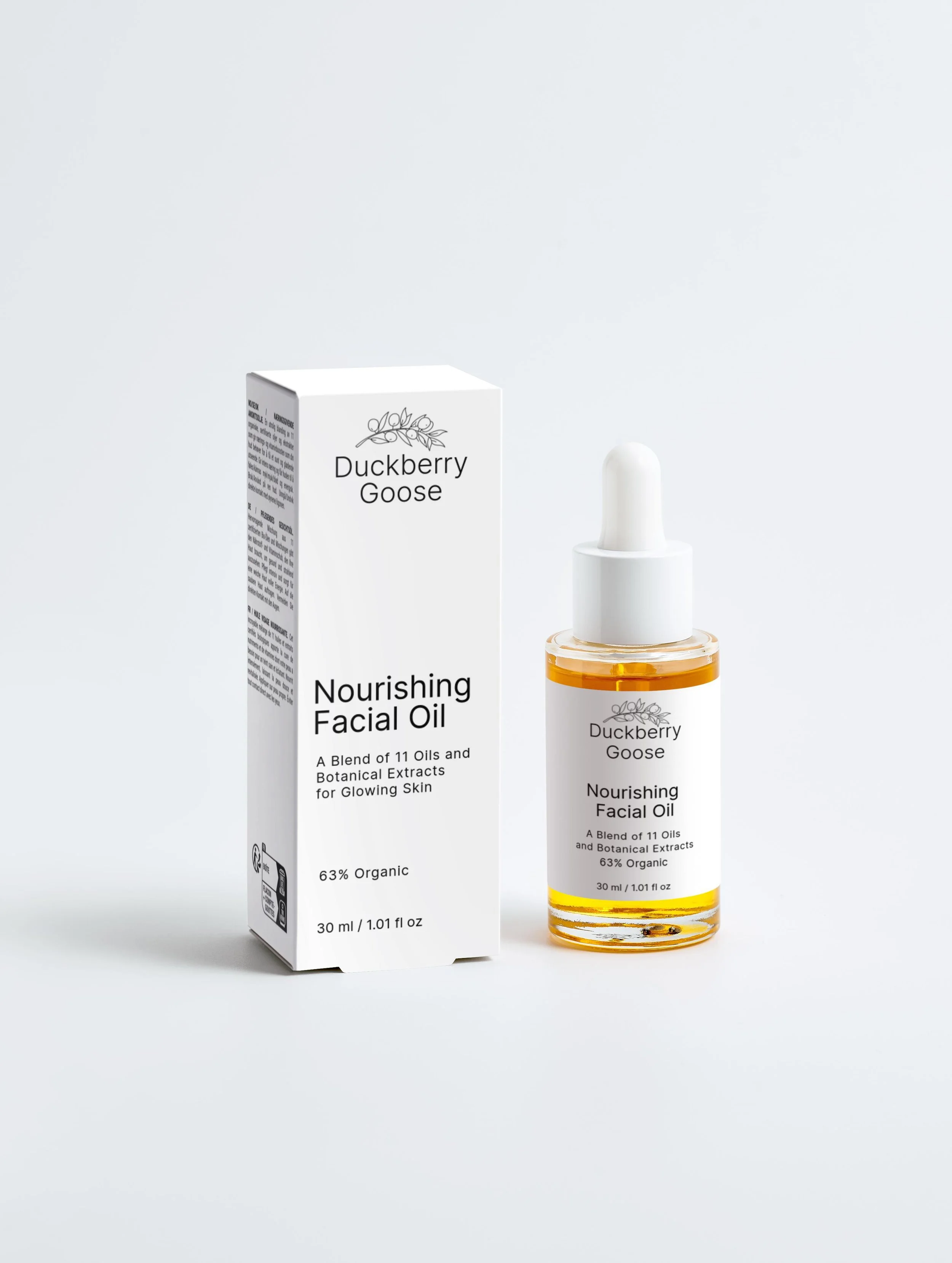
Looking for lightweight nourishment? Duckberry Goose's Nourishing Facial Oil can be incorporated into your routine according to your skin's needs. Try using a small amount over your usual moisturiser, or mixing a drop into your routine, and adjust the amount depending on how your skin feels.
The takeaway: oily skin still needs moisture. Rather than skipping hydration, look for a formula and application amount that leave your skin feeling comfortable, hydrated and balanced—without an overly slick finish.