Finding Your Perfect Moisturizer
Today’s moisturizers offer far more than earlier cold creams, and the likes. Modern formulations can combine ingredients such as hyaluronic acid, ceramides, botanical extracts and antioxidants to provide the skin with targeted hydration and additional benefits.
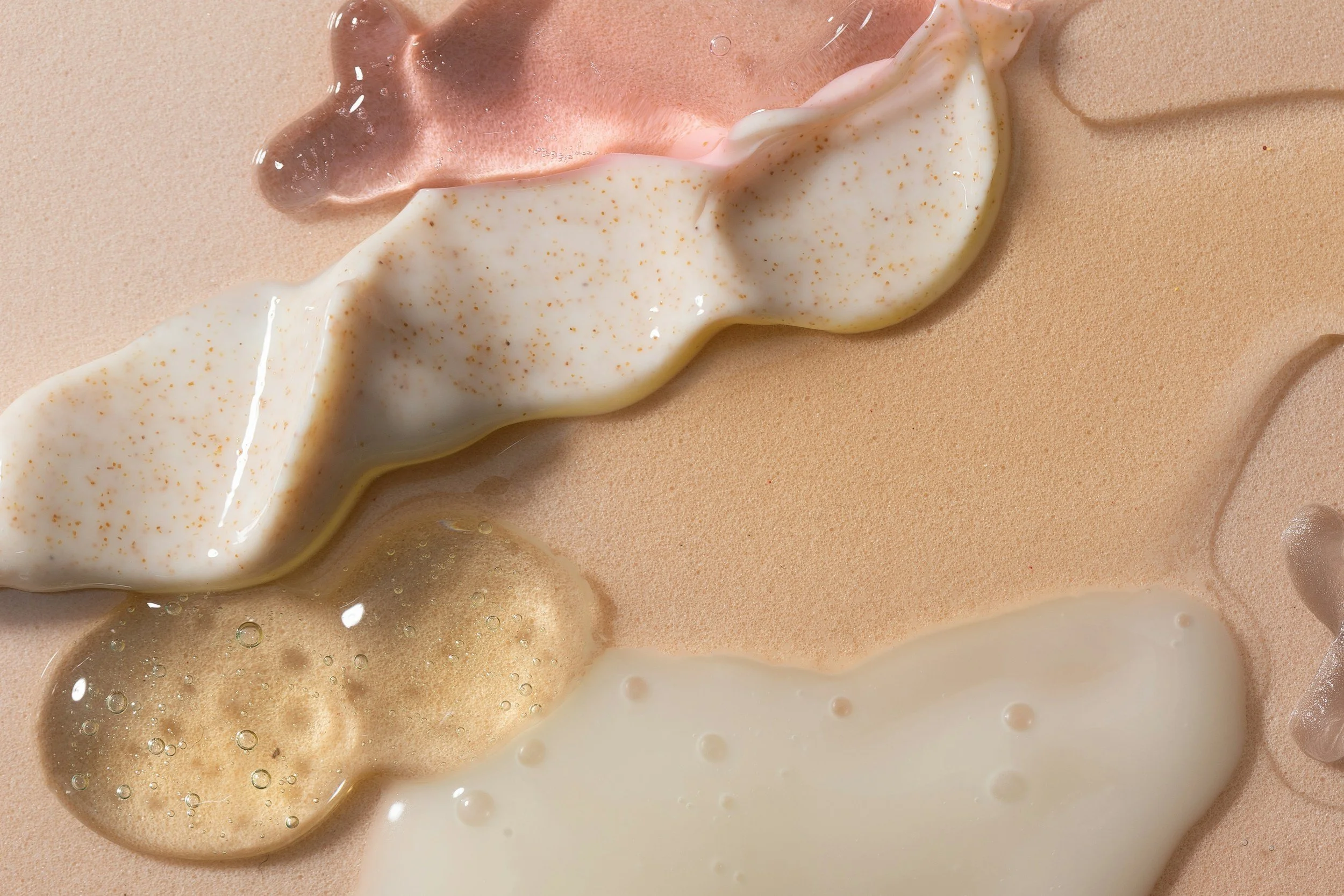
Modern ingredients, such as emollients, humectants and occlusives do so much more than hydrate your skin.
Emollients are rich plant- or animal-derived butters, waxes and lipids, that soften rough skin while trapping moisture and smoothing the skin by acting like mortar between rough or flaking skin cells create a flat, soft surface. They support skin’s barrier, repair the outer layer and help reduce moisture loss. They feel comforting and can reduce tightness giving your skin a smooth texture. Examples are: Shea butter, coconut oil, avocado oil, and jojoba oil, ceramides and squalane
Humectants are water-attracting ingredients that draw moisture from the atmosphere and the lower layers of the skin into the outer layer of the skin and bind it there. Such emollients are hyaluronic acids, AHAs, Glycerin, Glycols, Aloe Vera Vit B5).
Occlusives are heavier waxes and oils and fatty acids that work by forming a protective, hydrophobic layer over the skin to physically block water loss and trap existing moisture supporting the skin barrier and helping protect the skin from environmental stressors. Examples include: beeswax, plant oils and butters (shea butter, cocoa butter, argan oil, and jojoba oil) and lanolin.

So, how do you find the right moisturizer for your skin?
First and foremost, look for a natural formula suited to your skin type, one that avoids common potential irritants such as synthetic fragrance.
Secondly, identify your skin’s current problem and find the type of skincare that is formulated to address those concerns with ingredients your skin needs.
Thirdly, pay attention to how your skin responds and be prepared to adjust or change your routine when your moisturizer no longer seems to work.
Seasonal consideration is also important. A moisturizer that works perfectly during the warmer months may not provide sufficient hydration during a cold, dry winter.
And remember, your skin is constantly changing with age. As time passes, your trusted favorite cream or lotion that has served you well for years may no longer provide the level of moisturization your skin needs.

Typical Skin Concerns
Your Skin Feels Dry, dehydrated with fine lines, some flakiness
Your Skin Feels Oily & Slick
Your Skin Is Red & Itchy
Your Skin Is Oily & Breaking Out
Your Skin Shows Signs of Sun Damage
In the next blog we’ll explore each of these concerns in detail. So keep reading.